


Ozempic & Oral Health: How GLPs Affect Your Oral Health

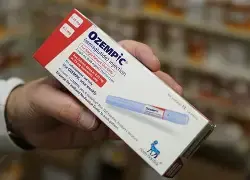
If you or someone you know is taking Ozempic, Wegovy, Mounjaro, or Zepbound, you're in good company. These medications, known as GLP-1 medications (or "GLPs" for short), have become some of the most talked-about prescriptions in the country. They help people manage type 2 diabetes and lose weight, and for many patients the results have been life-changing.
But here's something your prescriber may not have mentioned: these medications can also affect your mouth. Some of those effects are helpful, some are worth watching, and nearly all of them are manageable when you know what to look for. Let's walk through it.
First, a Quick Look at How GLPs Work
GLP-1 medications mimic a natural hormone your gut releases after you eat. They help your body release insulin when blood sugar is high, slow down how quickly your stomach empties, and signal to your brain that you're full. That combination is why blood sugar improves and appetite drops.
Those same effects, particularly the slower digestion and reduced eating, are what ripple out to your teeth and gums.
The Potential Downsides for Your Mouth
Dry mouth
Saliva is your mouth's natural defense system. It rinses away food, neutralizes acids, and delivers minerals that keep enamel strong. Some people on GLP-1 medications report a dry mouth, and a reduced appetite often means less eating and drinking overall, which can mean less saliva stimulation too.
Why it matters: when saliva drops, the risk of cavities, gum irritation, bad breath, and oral yeast infections (thrush) goes up. Dry mouth is one of the most common reasons we see new decay in patients who have never had much trouble before.
Nausea, vomiting, and acid reflux
Stomach side effects are common with GLPs, especially when starting the medication or increasing the dose. Repeated vomiting or reflux brings stomach acid into the mouth, and that acid can wear away tooth enamel over time. Enamel doesn't grow back, so protecting it matters.
A common mistake: brushing right after vomiting. Your enamel is temporarily softened by the acid, and brushing can scrub it away. Instead, rinse with plain water (or water mixed with a little baking soda) and wait about 30 minutes before brushing.
Changes in eating habits and nutrition
Eating less is the point of these medications, but it can sometimes mean eating less of the nutrients your gums and teeth rely on, such as protein, calcium, vitamin D, and vitamin C. Some people also find themselves sipping on juice, soda, or snacking on sweets or mints throughout the day to manage nausea or dry mouth. Frequent sugar exposure, even in small amounts, gives cavity-causing bacteria a steady supply of fuel.
Taste changes
Some patients notice food tastes different or a metallic taste in the mouth. It's usually mild, but it can influence what you choose to eat and how well you keep up with oral care.
Facial and jaw changes with significant weight loss
Rapid weight loss can change the shape of your face and gums. If you wear dentures, partials, or a nightguard, you may notice the fit becoming loose over time. That's not something to ignore or work around. A simple adjustment can prevent sores and keep you eating comfortably.
The Potential Upsides
There's good news too. People with diabetes are more likely to develop gum disease, and gum disease can make blood sugar harder to control. By improving blood sugar, GLP-1 medications may indirectly support healthier gums for people with diabetes. Early research has also looked at whether these medications may have anti-inflammatory effects that benefit the gums, but that science is still developing, and we can't yet say that a GLP-1 medication will protect your gums on its own. Think of any gum benefit as a bonus, not a substitute for good oral care.
What You Can Do to Protect Your Smile
The good news is that a few simple habits go a long way.
• Stay hydrated. Sip water throughout the day. This is the easiest thing you can do for dry mouth.
• Stimulate saliva. Sugar-free gum or lozenges, especially those with xylitol, can help.
• Use fluoride. Brush twice a day with a fluoride toothpaste and floss daily. If you're at higher risk for cavities, we may recommend a prescription-strength fluoride toothpaste or rinse.
• Choose alcohol-free mouthwash. Alcohol can make a dry mouth feel even drier.
• Be smart about sipping and snacking. If you need something for nausea, choose water or unsweetened options rather than sugary drinks or candies.
• Rinse, don't brush, after vomiting or reflux. Wait about 30 minutes before brushing.
• Prioritize nutrition. Because you may be eating less, make each meal count with protein-rich, nutrient-dense foods.
• Keep up with your dental visits. You may benefit from more frequent checkups and cleanings while your body adjusts to the medication.
The Bottom Line
GLP-1 medications can do a lot of good for your overall health, and you shouldn't have to choose between your health goals and a healthy smile. A little extra attention to your mouth while you're on these medications can help you avoid problems down the road.
If you're taking Ozempic or a similar medication, make sure your dental team knows. At Valley Arts Dental, we're here to help you protect your smile every step of your health journey. Give us a call to schedule a checkup and we'll build a plan that works for you.
This article is for general educational purposes and is not a substitute for personalized medical or dental advice. Always talk with your doctor and dentist before making changes to your medications or care routine. Our Team at Valley Arts Dental are always happy to answer your questions and work together with your MD as we care for your oral and overall health.


Comments